Pillow Repose Headboard

A Practical Guide to Organic Mattresses: Materials, Labels, and Longevity

An evidence-based exploration of what makes an organic mattress truly organic, how to read certifications, and how material choices influence durability and comfort over a lifetime of sleep. This guide draws on the science of textiles, the history of bedding, and the real-world experiences of sleepers across generations.

By Murphy, host of a sleep-science-focused learning hub, with a nod to the traditional and the contemporary practices that shape how we rest. In this article we blend historical context, practical evaluation, and a curator’s eye for enduring quality.

What makes an organic mattress organic?

Organic mattresses promise more than a marketing label; they aim to minimize synthetic processing, reduce chemical exposure, and harness natural materials in a way that respects both human health and the environment. The core idea is a product that is produced using agricultural and manufacturing methods that meet defined standards for input materials, processing methods, and finished product stewardship.

To truly understand “organic” in mattresses, it helps to look at the life cycle—from farm to fabric to final assembly. The journey starts with raw materials that are grown or sourced under organic standards, free of prohibited pesticides, synthetic fertilizers, and genetically modified organisms. It continues through manufacturing steps that avoid unnecessary chemical treatments, dyes, resins, or flame-retardant additives unless they are certified as safe and compliant with organic guidelines. The result is a sleep surface that aligns with a philosophy of health, sustainability, and longevity.

In practice, pure organic content is rare in a single component; rather, organic systems rely on certified layers that work in harmony. A mattress might combine organic cotton covers, organic wool or latex, and a core that is produced to a particular standard. Consumers should look for certifications that verify both the inputs and the processes used to create the mattress, and they should seek transparency about sourcing, manufacturing, and longevity expectations.

Key certifications to verify

Certifications provide objective benchmarks that help buyers distinguish genuine organic products from marketing claims. The most widely recognized certifications in organic bedding intersect with textiles, agriculture, and safe chemical use. Two of the most important are:

  • GOTS (Global Organic Textile Standard) — Addresses organic status of textiles from harvest to finished product. It covers organic fiber content, environmentally responsible production, and social criteria in the supply chain. A GOTS certificate indicates that the textile components meet strict standards for ecological and social responsibility.
  • GOLS (Global Organic Latex Standard) — Specifically applies to latex used in mattresses. GOLS governs organic content, processing, and purity of latex materials, ensuring alignment with organic farming and manufacturing practices. It provides a higher level of assurance for latex layers and the overall organic claim of the mattress.

Beyond GOTS and GOLS, other labels like "organic wool," "organic cotton," and verified recycled-content claims add to the mosaic of assurance. When evaluating a mattress, readers should verify the scope of the certification (which layers it applies to, the percentage of organic content, and whether the entire product carries the certification) and examine documentation that proves ongoing compliance rather than a one-time claim.

Common organic materials and their roles

Organic mattresses rely on natural materials such as latex, wool, cotton, and in some cases organic kapok or silk. Each material contributes different properties to comfort, durability, and climate control. Understanding these properties helps readers tailor a mattress to their sleep style, temperature preferences, and any health considerations.

Organic latex

Organic latex, typically derived from the sap of rubber trees, forms the core of many high-quality organic mattresses. It is valued for its resilience, buoyant support, and potential to relieve pressure points. Latex can be Dunlop or Talalay processed, with the organic versions meeting strict standards for the sourcing of rubber and the absence of harmful additives. Latex layers often provide a balance of contour and support that suits varying sleeper types, including combination sleepers who shift positions through the night.

Organic cotton

Cotton used in organic mattresses is grown without synthetic pesticides and fertilizers, weaving a breathable, natural cover that helps regulate temperature and wick moisture. Organic cotton contributes to overall comfort, but its durability in a mattress is highly dependent on the weave density, thread count, and the way it is spun and finished. A well-constructed cotton shell can endure many years of use while maintaining its softness and integrity.

Organic wool

Wool is a natural moisture-wicking, temperature-regulating fiber that can help create a cooler bed in summer and a warmer one in winter. Organic wool is often used as a flame-retardant-free flame barrier in some models, and it contributes to an overall breathable construction. Wool’s resilience and springback can also aid in maintaining a mattress’s loft over time, supporting comfort and longevity when paired with appropriate quilting and covers.

Organic kapok and silk

Kapok, a natural fiber from seed pods, is sometimes used as a soft, airy filling in organic mattresses or toppers. Silk, when used as a cover or as a filler, can add a luxurious touch and additional breathability. Both materials are often included in premium, consciously designed products with a focus on comfort and sustainability. The performance of kapok and silk is highly dependent on the overall design and how well the materials are integrated with other layers.
Longevity: durability, care, and lifecycle of organic mattresses

One of the central questions buyers ask is how long an organic mattress will last and whether its natural components will withstand years of use without losing crucial properties. Durability in organic mattresses depends on the synergy of layers, maintenance practices, and the environment in which the mattress operates. Proper care includes using a breathable, protective cover that does not seal in moisture, regular rotation, and attention to alignment of the sleeper’s weight distribution over time.

Care strategies are not merely practical; they are a stewardship of the materials that compose the bed. Wool blends, cotton tops, and latex cores require different maintenance approaches, including spot cleaning methods and long-term storage considerations if a seasonal sleep environment is part of your life. The aim is to preserve loft and resilience so that the mattress continues to support healthy spinal alignment and comfortable pressure distribution.

From a historical perspective, durable organic mattresses often owed their longevity to simple, well-constructed designs using a few high-quality layers rather than complex, synthetic overlays. The modern resurgence of organic materials builds on that legacy, married to transparent certifications and continuous improvement in farming and manufacturing practices. The result is a product that is not only comfortable but also a testament to a slower, more deliberate approach to sleep technology.

Quick checklist for evaluating an organic mattress

  • Confirm the percentage of organic content across layers and whether the entire mattress is certified.
  • Look for clear documentation of sourcing for fibers such as latex, wool, and cotton.
  • Check for certifications like GOTS for textiles and GOLS for latex layers, and ask about third-party audits.
  • Avoid fragrances or flame retardants unless they are certified as safe and compliant with organic standards.
  • Inquire about care requirements and the expected lifespan of each layer, noting how replacement or layer exchange policies work.

Three key perspectives across time periods

To illuminate the topic, we draw on voices from different eras—scientists, artisans, and chroniclers—who have shaped the understanding of body comfort, materials, and sustainable design. Their ideas echo in modern conversations about organic bedding and durable sleep surfaces.

Perspective from antiquity: the pursuit of breathable comfort

In ancient textile traditions, comfort was achieved through natural materials and careful layering. While not labeled “organic,” the emphasis on breathable fibers and simple construction foreshadowed today’s emphasis on healthful sleep environments. The wisdom of early weavers—crafting with lineage-approved fibers, avoiding harsh chemicals, and designing for climate—resonates in modern organic mattress design where the goal is to harmonize body, fiber, and environment.

Perspective from the Renaissance: craft as science

During the Renaissance, the revival of empirical inquiry and the rise of natural philosophy laid the groundwork for a more rigorous understanding of materials. Textiles and bedding became a domain where experimentation with natural fibers and humane manufacturing practices began to align with emerging scientific methods. This lineage underpins contemporary manufacturers who disclose fiber sourcing, testing, and environmental considerations as a matter of standard practice rather than marketing.

Perspective from the modern era: certifications as a compass

In the present day, independent certification bodies and transparent supply chains provide a reliable compass for consumers navigating the landscape of organic mattresses. The modern consumer is empowered to read labels, verify certifications, and assess the ecological and health implications of their sleep environment. The convergence of science, ethics, and consumer advocacy has made the pursuit of genuine organic bedding both practical and principled.

Illustrative products in the organic landscape

To illustrate how organic materials are realized in sleep surfaces, consider representative products that align with the principles discussed. The following item from a curated selection demonstrates how natural materials can be implemented in a cohesive, well-constructed product. This section uses a specific example to anchor the discussion in tangible reality.

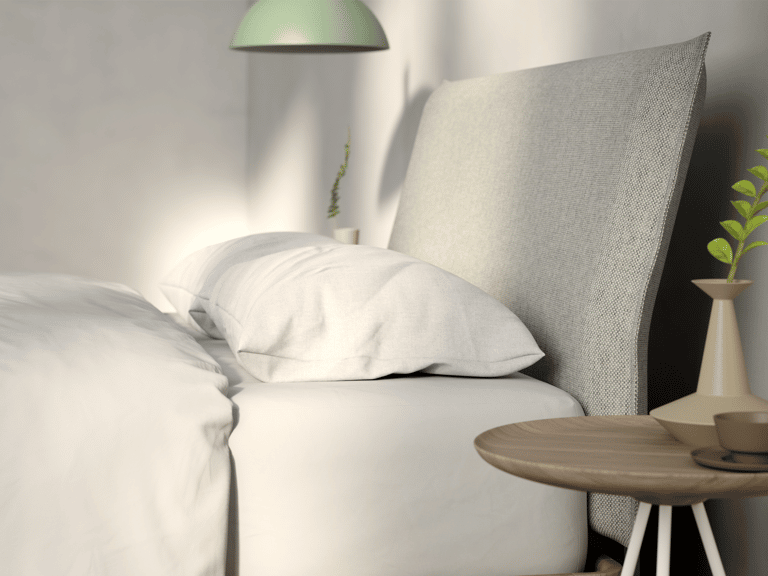
Pillow Repose Headboard

Cushioned backrest integrated with the Casper Repose Bed Frame

The Pillow Repose Headboard demonstrates how a thoughtfully designed accessory can enhance comfort and aesthetics without compromising the organic ethos of the bed system. While not a core mattress component, it reflects the broader principle of comfort-forward sleep environments built with clean lines and supportive materials.

View product

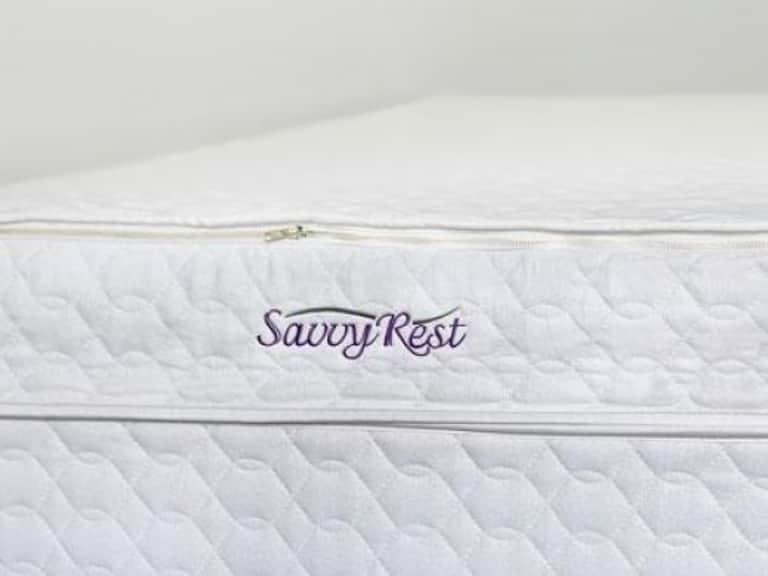
Savvy Rest Tranquility Latex Mattress

Two layers of natural latex with organic wool and cotton shell

A vivid embodiment of organic layering, the Tranquility mattress showcases how natural latex, responsibly sourced wool, and an organic cotton exterior come together for a supportive, breathable night’s sleep. Its design reflects a balance between customization and durability, aligning with the ethos of longevity in organic bedding.

View product

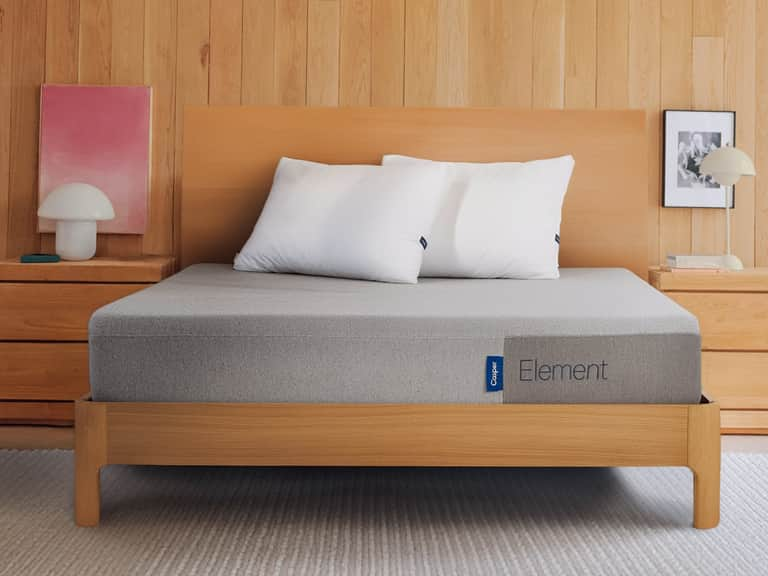
Element Mattress (Casper)

All-foam design with open-cell breathable layers

A modern example of an all-foam organic approach, the Element Mattress emphasizes airflow and comfort through open-cell foam and a responsive cover. While not a traditional organic-layers interpretation, it demonstrates contemporary manufacturing practices that prioritize breathable comfort and durability within an eco-conscious framework.

View product

Note: The products listed are provided for illustrative purposes within this editorial piece. Availability and specifications may change; please consult the retailer for current details.

Further reading and credible sources

For readers seeking deeper engagement with the science, standards, and history of organic bedding, consider exploring textile certifications, bedding science primers, and industry analyses from independent bodies and academic publications. The following themes are recommended starting points:

  • Certification bodies and their public standards for organic textiles and latex (GOTS, GOLS, and related certifications).
  • Textile science resources that explain the behavior of natural fibers under moisture, heat, and pressure.
  • Historical overviews of bedding materials and the evolution of sustainable mattress design.

Related Products

Pillow Repose Headboard

Casper

Pillow Repose Headboard

Enjoy comfy seated support with the Pillow Repose Headboard on your Casper Repose Bed Frame—soft, secure, and versatile enough to fit any room style.
Savvy Rest Tranquility Latex Mattress

Savvy Rest · No. SAVVYREST-ORGANIC-DUNLOP-TRANQUILITY-MATTRESS-7INCH

Savvy Rest Tranquility Latex Mattress

Affordable, customizable organic latex mattress perfect for kids and small adults—two latex layers for firm support, breathable wool and cotton cover, made in America, with a 20-year warranty and easy setup for a healthy, restful night.
Element Mattress

Casper

Element Mattress

Stay cool all night with breathable open-cell foam, feel responsive support from Breathe Flex Foam, and enjoy plush comfort as the four-way stretch knit moves with you. Backed by 10-year durability.

Theme