Foam mattresses are built around layers of viscoelastic and high-density foam that contour to the body's shape, providing targeted support and pressure relief. The core materials often include polyurethane or memory foam, which manage temperature and compression for improved spinal alignment. Understanding density, durability, and density-to-firmness relationships helps buyers choose a suitable model for sleeping position and weight distribution.
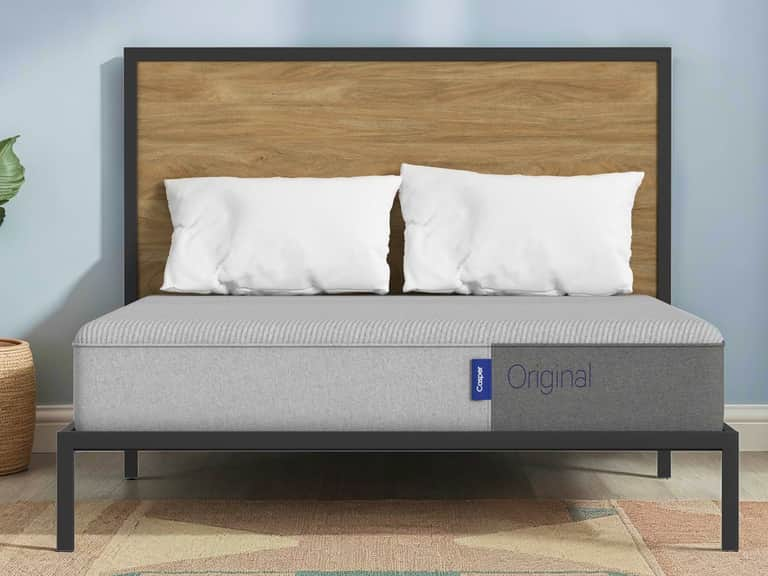
In this category, the Original Mattress emphasizes a balanced feel with zoned support and breathable cover designs, offering consistent contouring with durable edge support. The foam blend aims to reduce motion transfer, making it suitable for couples, while maintaining ease of maintenance and long-term comfort across varying sleepers.
The Element Mattress introduces a layered approach that combines transition foams with memory foam for progressive cushioning. This setup supports alignment along the spine and accommodates changes in sleeping preferences over time, while maintaining a comfortable temperature through breathable materials and well-ventilated foams.
Key features across foam options often include open-cell constructions, cooling foams, and fire-retardant polyfills that meet safety standards. Functional benefits include pressure distribution for shoulders and hips, reduced partner disturbance, and compatibility with different bed bases. Materials may align with broader bedding trends such as organic or high-resilience foams in some models.
For users exploring bedding options, understanding how latex components, organic certifications, and crib-mattress specifications intersect with foam mattresses informs safer, healthier choices. While foam beds vary in firmness, density, and cooling capabilities, the essential use remains providing supportive comfort, proper spinal alignment, and durable performance over years of regular sleep cycles.
 Mattresses
