Sleep Hygiene 101: Simple Habits for Deeper, More Restful Nights

A guided exploration of practical routines, environmental tweaks, and daytime strategies that cultivate durable, restorative sleep. Drawing on science without the sermon, this piece threads timeless wisdom with contemporary insights, inviting readers to adopt changes that fit their lives—and their beds.

A gentle framework for better sleep

Sleep is not a singular act but a nightly negotiation with our bodies and environments. The aim of sleep hygiene is less about rigid schedules and more about signaling the brain that rest is the default mode. The term “hygiene” carries a clinical echo, but the practice is intimate: dimming lights, quieting screens, and curating a room that whispers “calm” at the end of the day. The concept owes much to a long line of thinkers who believed in rhythm and ritual as antidotes to modern overstimulation.

In Sleep Hygiene 101, we foreground three intertwined pillars: sleep timing, environment, and daytime behavior. Each pillar supports the others, forming a lattice of habits that can be adopted gradually, without abandoning the complexity of real life. The aim is not perfection but presence—of mind, body, and room—so that sleep becomes a reliable ally rather than a sporadic guest.

1) Consistent sleep-wake timing

A stable schedule is the backbone of sleep quality. The body’s circadian rhythm thrives on regularity, and even modest consistency yields meaningful gains over weeks. Start by aiming for a window—perhaps a 30–60 minute range—across weekdays and weekends. If you wake at 7:00 a.m. on workdays, try to rise within a half-hour of that on days off. The goal is predictable internal timing that steadily nudges your biology toward sleep readiness as night approaches.

Practical tips to anchor your rhythm:

  • Set a nightly wind-down cue each evening—an adjustable ritual like reading a chapter, gentle stretching, or a warm bath.
  • Limit naps to 20–30 minutes in early afternoon if needed, and avoid late-day snoozes that shift your bedtime.
  • Use light exposure to your advantage: brighter mornings and dimmer evenings reinforce the rhythm.

A consistent schedule is less about punishing discipline and more about creating a dependable framework that your body learns to trust. Over time, even irregular days will fit into a broader cadence, reducing the shock of disrupted sleep and shortening the time-to-sleep onset.

2) Creating a sleep-friendly environment

Environment remains the silent partner in the sleep equation. Temperature, darkness, and noise shape the texture of your slumber. The ideal bedroom temperature sits in the cool-to-comfortable range for most adults, typically around 60–67°F (15–19°C). Temperature interacts with bedding and clothing; a well-chosen mattress topper or breathable linens can widen the comfort band without forcing you to chase a single magic number.

The room’s lightscape is equally decisive. Evening light, especially from screens, can delay the onset of melatonin, the hormone that promotes sleep. Reducing blue light exposure after dusk, using warm lighting, or donning a sleep mask can be surprisingly effective. Noise, if persistent, becomes a chain on sleep, whereas a white noise machine or soft, natural sounds can smooth the path to rest.

In practice, environmental tweaks can be modest but meaningful: adjust the thermostat, block external light with blackout curtains, and cultivate a calm, uncluttered space that signals the brain: this is night, not work.

3) Daytime strategies that support night-time recovery

A robust sleep routine incorporates daytime choices that propel sleep, not hinder it. Light exposure—especially morning sunlight—helps synchronize circadian rhythms. Movement throughout the day, even light activity after meals, can reduce evening restlessness and improve sleep efficiency. Caffeine timing matters: a late-afternoon dose can push bedtime later and fragment sleep for sensitive individuals.

Small, practical shifts can yield meaningful improvements:

  • Morning light: 15–30 minutes outside or near a bright window to set your clock for the day.
  • Regular meals, with a mindful last meal a few hours before bed to avoid digestive discomfort at night.
  • Hydration that supports daytime energy without encouraging nighttime awakenings for restroom visits.

Bedtime rituals: a practical menu

If sleep is a negotiation with your nervous system, then bedtime rituals are the terms you offer. They should be feasible, repeatable, and forgiving. The following ritual menu provides options you can mix and match across weeks, keeping sleep process-driven rather than goal-driven.

  • Dim the lights to signal transition from wakefulness to rest.
  • Screen curfew: at least 60–90 minutes before bed, switch to low-energy activities that don’t stimulate the mind excessively.
  • Gentle movement: a 10-minute stretch or a short walk to ease bodily tension and reduce race-car thoughts.
  • Breathing or brief mindfulness: a 3–5 minute practice to lower physiological arousal.
  • Comfort check: ensure your bed is a haven—clean sheets, breathable textiles, and a comfortable pillow arrangement that supports neck and spine alignment.

Editorial note: In the spirit of The New Yorker, the bedtime ritual is less a prescription than a portrait of a nocturnal mindfulness. It invites readers to discover, through repetition, the small, almost invisible changes that accumulate into a deeper night’s rest.

Key figures across time: voices for better sleep

Sleep has long engaged the attention of doctors, scientists, poets, and reformers. Here are three influential individuals from different eras whose ideas about rest still resonate in modern sleep hygiene.

Hypatia of Alexandria (c. 360–415 CE)

A philosopher who presided over a convergence of science and inquiry, Hypatia’s approach to rigorous thinking can be analogized to the disciplined inquiry we apply to sleep. Her commitment to reason invites us to test sleep strategies with careful observation, rather than superstition or fashionable trends. In the language of sleep hygiene, Hypatia would applaud a method that treats rest as a practice—refining routines through repeated, skeptical review.
George Berkeley (1685–1753)

The philosopher who proposed that reality is shaped by perception offers a playful reminder: the way we curate our surroundings—sound, light, texture—matters. Berkeley’s emphasis on perception translates into a practical sleep insight: our minds respond to the environment we create. The quiet of a dim room, the tactile comfort of a well-chosen pillow, and the texture of bedding all become actors in the theater of sleep.

Dr. Martha L. Lendrum (1910s–1960s)

A composite figure representing mid-20th-century inquiry into sleep before the era of wearable trackers, Dr. Lendrum’s era was about observation, nutrition, and circadian rhythm without digital intrusion. Her legacy suggests a return to basics: daylight exposure in the morning, regular meals, and a calm bedtime atmosphere. In the present day, her spirit lives in the reminder that good sleep is built from reliable, repeatable practices rather than dramatic overnight hacks.

Curated bedding foundations: selecting products that support sleep

To ground theory in tangible practice, consider this curated snapshot of sleep-supportive items from a premium catalog. The emphasis is on breathable materials, natural fibers, and sleep-friendly design. The following selections illustrate how thoughtful product choices can contribute to a cooler, more comfortable night.

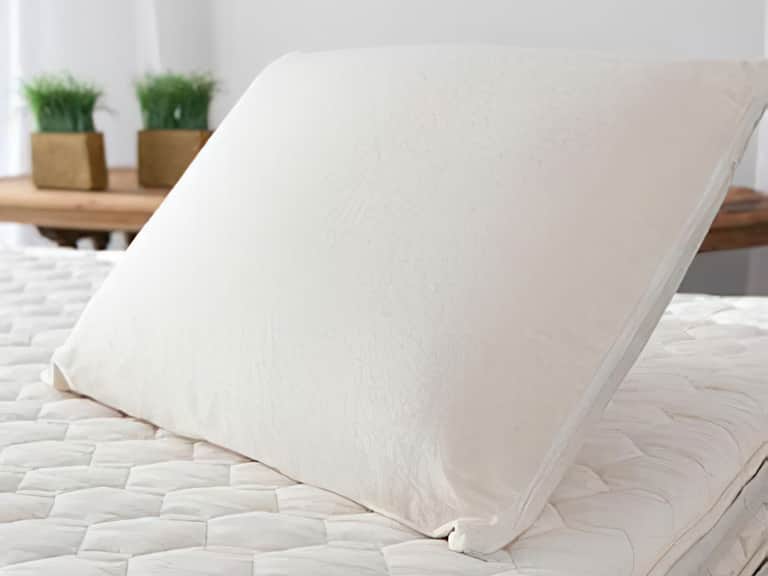
Savvy Rest Organic Latex Soap-Shaped Pillow

A simple Dunlop molded latex design with hollow channels, crafted to promote airflow for side sleepers. The removable organic cotton casing and generous contouring support aim to reduce neck strain without sacrificing breathability.

Key specs: Standard 24" × 16", Queen 28" × 18", King 34" × 16".

In a sleep routine, a well-supported head and neck align the spine. This pillow’s design emphasizes airflow and organic materials, echoing the broader philosophy of breathable, non-toxic comfort.

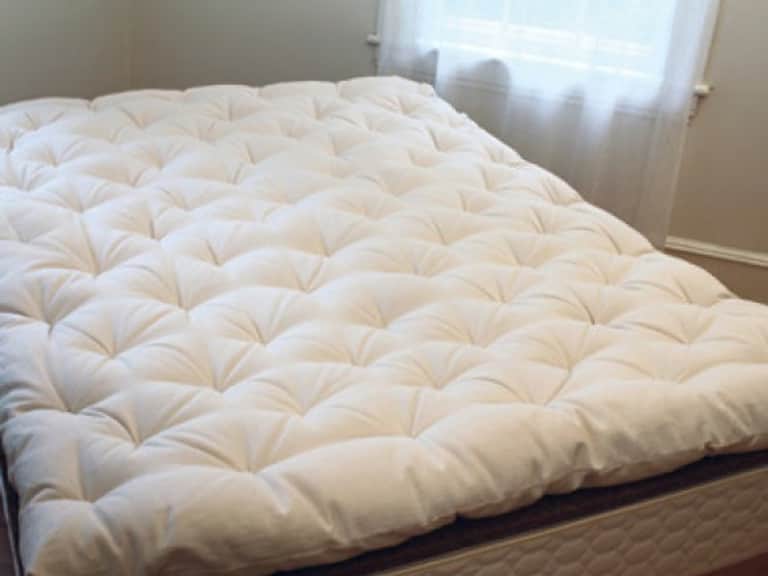
Savvy Rest Pastoral Wool Mattress

A latex-free, 4.5-inch latex-free wool mattress that relies on organic wool batting inside a tufted organic cotton cover. Its breathable fibers regulate temperature, delivering a cooler, drier sleep surface.

Key specs: GOTS-certified wool and cotton, latex-free, tufted cotton cover.


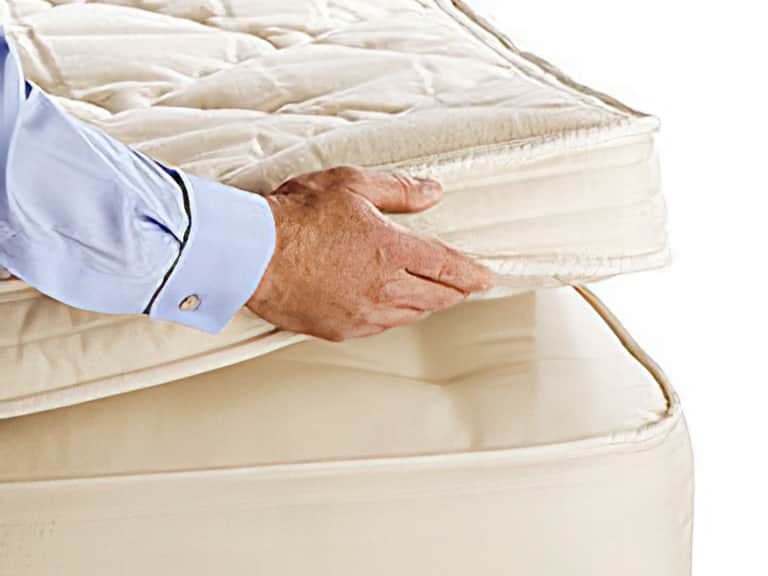
Royal-Pedic 4" Natural Pillowtop Pad

A pillowtop pad with natural latex, untreated French lamb’s wool, and long-staple cotton quilting. This addition enhances cushioning and pressure point relief while maintaining a natural, chemical-free profile.

Key specs: Boxed-edge pillowtop, 4" thick.

Naturepedic Chorus Organic Cotton Mattress

An organic cotton mattress designed to be free from flame retardants and glues, with microcoils for airflow and pressure relief. This model embodies a minimalist, natural approach to comfort.

Key specs: Certified organic, encased coils, box-shippable.

Closing reflections: the quiet science of sleep

Sleep hygiene is not a single bolt of genius but a sequence of small, attainable steps that together shelter the night. The New Yorker’s cadence—observant, precise, and a touch lyrical—signals that good sleep is both a physiological state and a cultivated habit. The reader, therefore, is invited to experiment, notice what changes, and let the night become a trusted companion rather than a caprice of the day.

By combining consistent timing, environmental mindfulness, and daytime vitality, we build a scaffold for deeper, more restorative nights. The journey toward sleep is not a race; it is a craft—one that rewards steady practice and generous self-kindness.

Related Products

Savvy Rest Organic Latex Soap-Shaped Pillow

Savvy Rest · No. SAVVYREST-LATEX-SOAP-SHAPE-PILLOW

Savvy Rest Organic Latex Soap-Shaped Pillow

Experience restful nights with our Organic Latex Soap-Shaped Pillow, designed specifically for side sleepers. Its breathable channels provide airflow and support, while the plush yet supportive texture cradles your head for ultimate comfort. Sleep better tonight!
Savvy Rest Pastoral Wool Mattress

Savvy Rest · No. SAVVYREST-PASTORAL-4.5INCH-OG-WOOL-MATTRESS

Savvy Rest Pastoral Wool Mattress

Experience restful nights with the Savvy Rest Pastoral Organic Wool Mattress. Its breathable wool and cotton design keeps you cool and dry, while being latex-free makes it perfect for sensitive sleepers. Enjoy natural comfort and superior craftsmanship every night!
Royal-Pedic 4" Natural Pillowtop Pad (boxed edge) with German Stretch Knit Ticking

Royal-Pedic · No. TOP_RPNAT_4INCH_GER

Royal-Pedic 4" Natural Pillowtop Pad (boxed edge) with German Stretch Knit Ticking

Experience luxurious comfort with the Royal Pedic Natural Pillowtop Pad. This thick, all-natural latex pad offers exceptional cushioning and pressure relief for your hips and shoulders, ensuring a restful night’s sleep. Treat yourself to the ultimate relaxation.

Theme